






Take a Cruise to the Victorian Summer Retreat of a Chicago Beer Baron
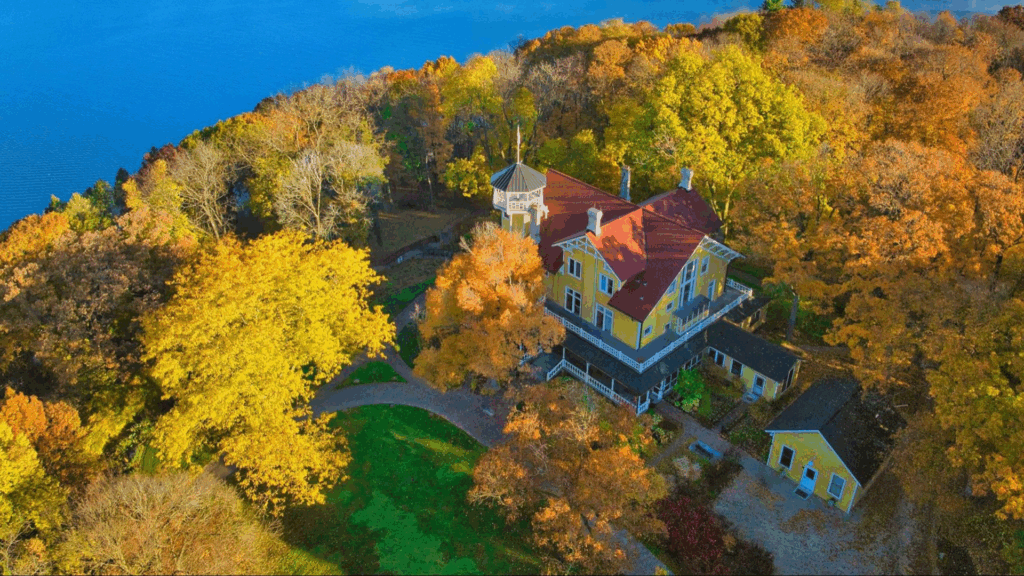
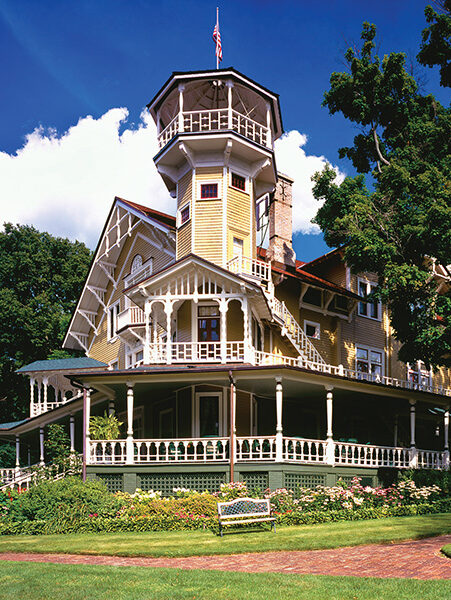
Black Point Estate was built for Chicago Beer Baron, Conrad Seipp, in 1888 as a retreat, and in that spirit the home remains a place to relax, refresh, and explore. Just like the Victorian VIPs who established the estate, you’ll arrive in style and enjoy stunning Geneva Lake views on your cruise to this magnificent summer home, considered one of the finest examples of period architecture and furniture in the Midwest, and one of the oldest homes in Lake Geneva.
MARK YOUR CALENDAR
Get the Best Deal in History
Unlock incredible value for historic year-round fun!
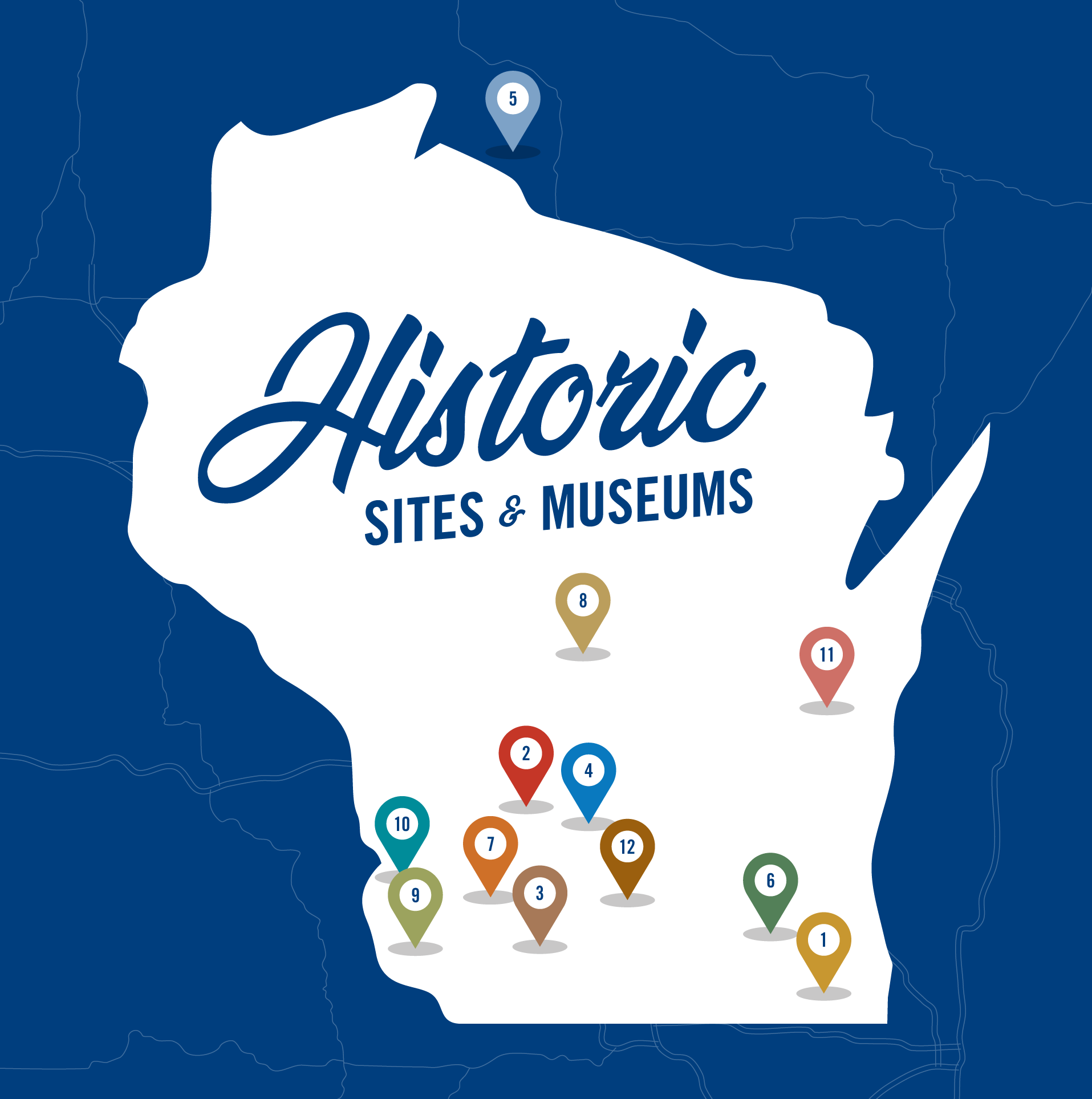
All Wisconsin Historical Society members enjoy unlimited free admission to our 11 historic sites and museums, exclusive merchandise and special event discounts, a complimentary annual subscription to the Wisconsin Magazine of History and more. Join at the Family level and above for added benefits and discounts at over 1,200 organizations nationwide!
Black Point Estate and Gardens
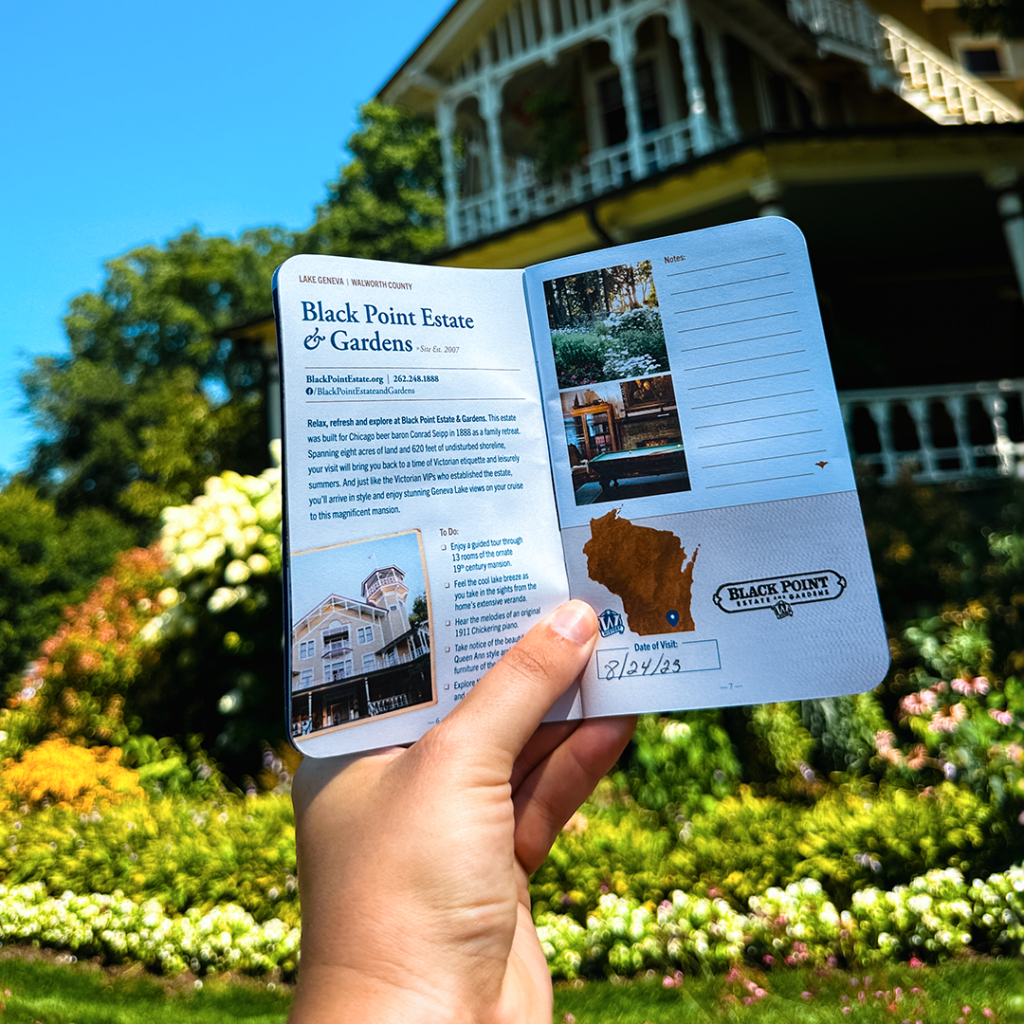
Step into Gilded Age elegance at the 1888 Summer home of Chicago beer baron, Conrad Seipp. Guests enjoy a narrated boat ride to the property via the Lake Geneva Cruise Line, a guided tour of the mansion, & time to relax and sip Seipp beer on the veranda.
2026 is the 250th anniversary of the United States of America. Over the next 250 days we will be highlighting historic people, places or things from around Walworth County.
Up next is The Crawford.
Excerpts from the “James & John Haskins Farm” historic sign explain why a Lake Geneva neighborhood was called The Crawford.
“Brothers James and John Haskins, born in Massachusetts, settled here on a 60-acre farm in the spring of 1842. They built a water-powered saw mill in 1844 along the White River northeast of their farm.
They later partnered with J.F. Crawford to charter the Geneva Lake Crawford Manufacturing Co.”
The factory produced improved mowers and reapers for agricultural use. The White River powered the turbines to generate horsepower to run the factory machinery.
“The Haskins brothers subdivided much of their original farm property for residential housing in order to raise capital for the business. The new neighborhood, part of the city’s third ward, was known to residents as ‘The Crawford.’”
The addition of The Crawford subdivision increased the size of Geneva Village by one-third, to 622 acres.
Walworth@250 #102
Feel free to share. ... See MoreSee Less
Comment on Facebook
2026 is the 250th anniversary of the United States of America. Over the next 250 days we will be highlighting historic people, places or things from around Walworth County.
Up next is Pioneer Cemetery.
Lake Geneva’s original cemetery was established in 1837. It’s a small square cemetery framed by four streets - Dodge, Maxwell, Warren and Park Row.
Buried here are 26 Union Army Civil War soldiers along with Veterans of the War of 1812 and World War I. Many of the original settlers of Geneva are buried here as well.
The land was donated to the village by the seven founders known as the Company of Geneva: R. Wells Warren, Greenleaf Warren, Col. James Maxwell, Dr. Philip Maxwell, Andrew Ferguson, George Campbell, and Lewis Goodsell.
Although the gravestones seem scattered around the grounds, at one time the cemetery was full. Erosion of the soft limestone and sandstone markers and damage from age led to removal of broken pieces.
The last burial in Pioneer Cemetery was in 1986.
Walworth@250 #101
Feel free to share. ... See MoreSee Less
Comment on Facebook
I grew up by the cemetery I remember seeing the last person getting buried there.
When was the low stone fence replaced with the wrought iron one?
When are you going to mention the original land owner of Black Point? Samuel John Mills Nichols purchased the land and cleared it for his home and farm. It was called Nichols Point. He was the wealthiest person in Walworth.
2026 is the 250th anniversary of the United States of America. Over the next 250 days we will be highlighting historic people, places or things from around Walworth County.
Up next is the Norman B. Barr Camp.
The six acres of land on which the Norman B. Barr Camp sits today, was originally home to the Native Potawatomi tribe. In 1897, Alice B. Stockham, M.D. was the first documented owner of the land.
In 1908, Norman B. Barr, the pastor of the Olivet Presbyterian Church and Superintendent of the Olivet Social Institute in Chicago purchased the land to create the Olivet Institute Camp.
It became his mission to provide a no-cost, Christian-based camp experience for under-resourced children.
It is one of the oldest and continuously operating not-for-profit summer camps in the United States. The only building standing on the Olivet Institute Camp property in 1908, was the large white building located at the lakefront.
Rent from tents, then cottages, provided the campers’ fees. A bath house was available although many campers preferred bathing in the lake.
Prior to his passing in 1943, Rev. Barr stated, “All the Heaven and Earth is right here. This camp should go on forever.” And it continues to this day.
Walworth@250 #100
Feel free to share. ... See MoreSee Less
Comment on Facebook
So interesting, we lived down the little road from there and as kids would walk over to their candy store with our pile of Pennie’s. They also showed movies once in awhile, big treat even though it was often the same movie from year to year!
From Norman B Barr website
Never knew about that being a native village.